
What Actually Works in Our Climate
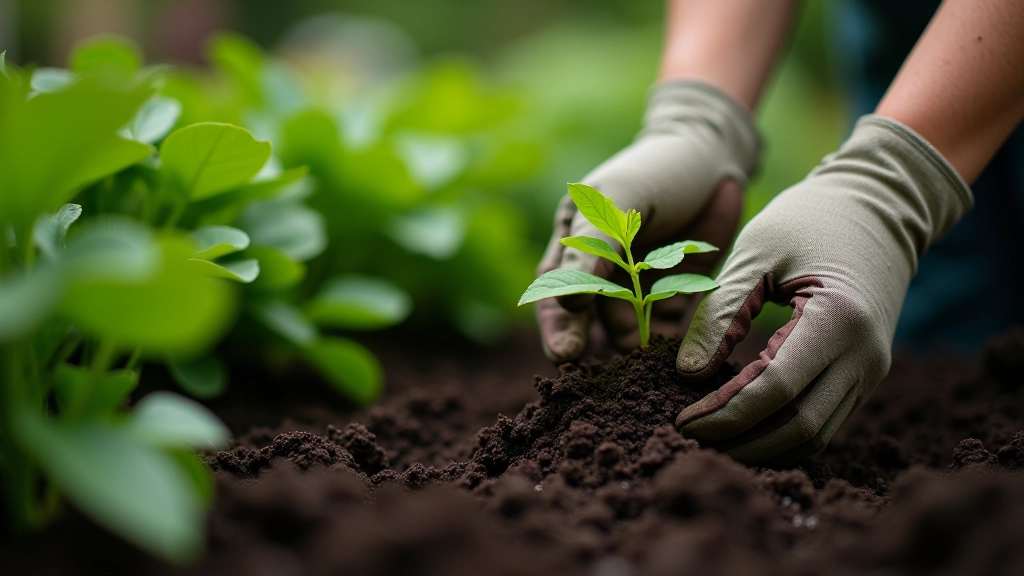
Growing vegetables in Rīga isn't about forcing Mediterranean plants into cold soil. It's about choosing varieties that actually like our climate. You'll notice something once you've gardened here a few seasons — the vegetables that thrive aren't the glamorous ones from glossy seed catalogs. They're the practical ones.
The challenge isn't just the cold winters. It's our short growing season. From mid-May when frost risk drops to early September when nights turn chilly again, we've got roughly 110-120 frost-free days. That's tighter than you'd think. Some regions get 150+ days. So we need vegetables that either grow fast or can tolerate a light frost.
Here's what we've learned works consistently in Rīga allotments. Not theoretical knowledge — real experience from local gardeners who've been doing this for years.
The Reliable Growers
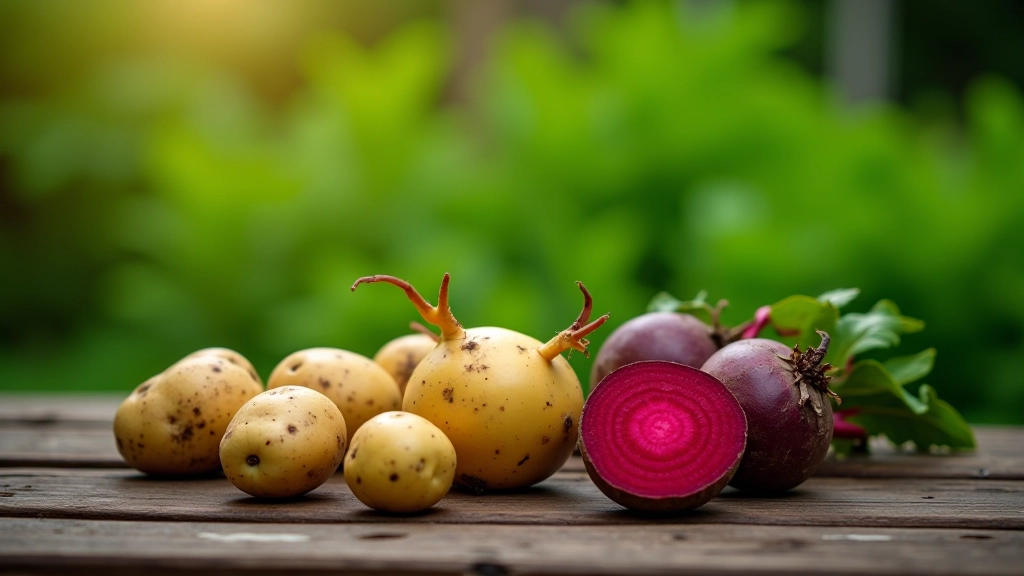
Potatoes are your foundation crop. Seriously. Plant them in May and harvest in August or early September. We're not talking fancy purple Peruvian varieties — regular white or yellow potatoes thrive here. Most gardeners plant 3-5 kg per 10 square meters and get solid yields.
Beetroot handles our soil well. It's not picky about drainage like some crops, and it actually improves in flavor after a light frost. Plant seeds mid-May, harvest from July through September. You'll get roots ranging from golf-ball to baseball size depending on when you pull them.
Cabbage and kale are champions. They love cool weather — seriously, they prefer it. Plant transplants in late May, keep them watered, and you'll have solid heads by August. Kale actually becomes sweeter after frost. Many gardeners leave it in the ground into October and pick leaves as needed.
Carrots need good soil prep, but once they're established, they're low-maintenance. We typically sow seeds directly in late May for a late summer and autumn harvest. Varieties like Nantes and Chantenay work consistently well here.
The Quick Growers
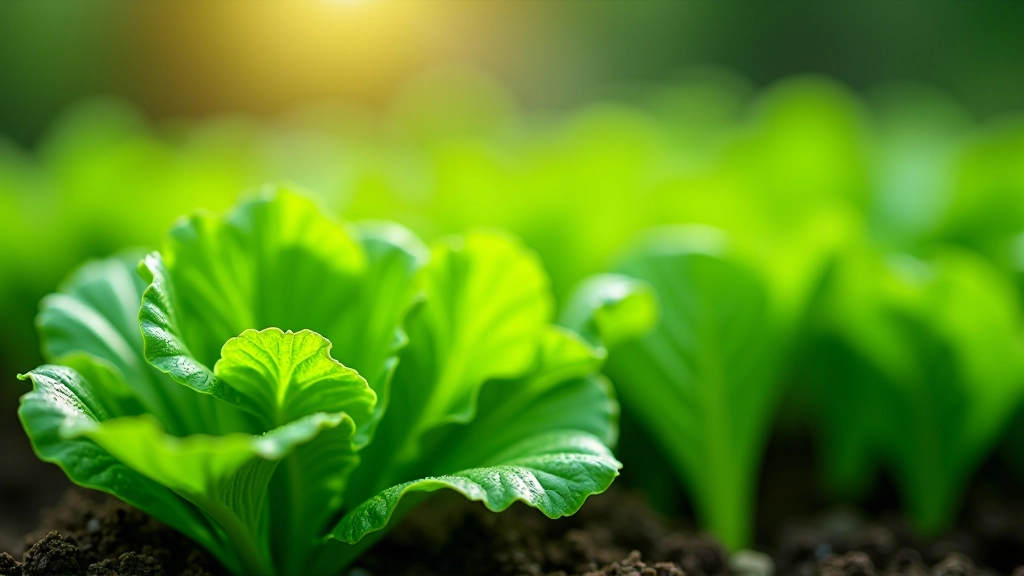
Lettuce and spinach are perfect because they grow fast and tolerate cool weather. Direct sow from mid-May through mid-June in succession — plant some every two weeks and you'll have continuous harvests. Harvest outer leaves or whole plants in 4-6 weeks. The trick is planting in stages, not all at once.
Radishes are almost foolproof. They're ready in 25-30 days. Kids like growing them because results come quickly. Plant them every two weeks from May through August. They don't need much space — useful for filling gaps between slower crops.
Peas grow reliably if you plant them early. Get them in the ground by late April or early May — they actually prefer cooler soil. They'll flower and produce through June and into July. Sugar snap and snow peas work better than shelling peas in our climate.
Long-Term Storage Crops
Onions store incredibly well and aren't fussy about our climate. Plant sets or seedlings in May, let them develop through summer, and harvest in late August when tops dry down. They'll keep for months in a cool, dry place. Most gardeners grow 3-4 varieties — yellow storage onions, red onions, and maybe some white ones for cooking.
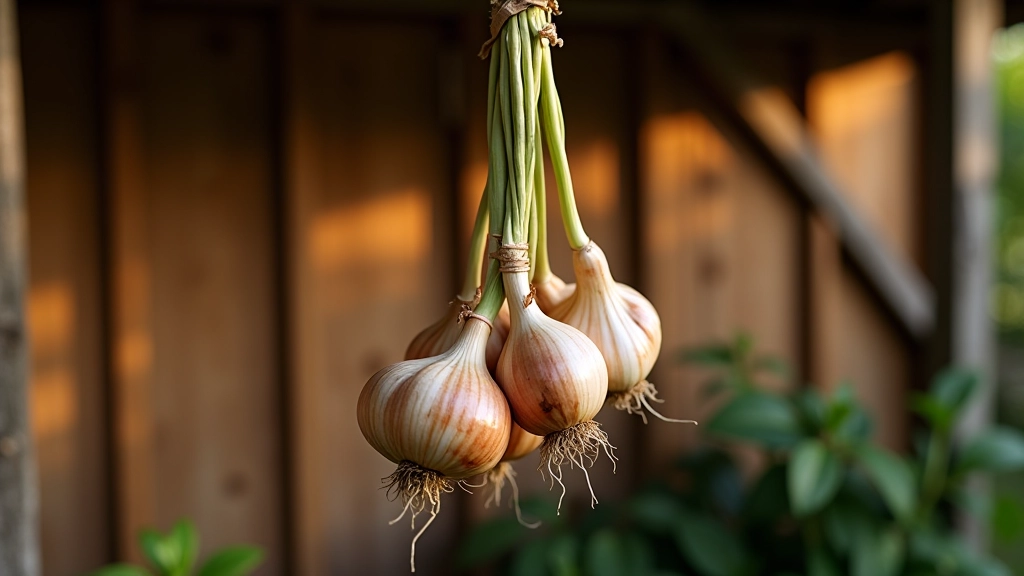
Garlic requires patience but pays off. You plant cloves in October, they sit dormant over winter, then sprout in spring and develop through summer. Harvest in July or August. It's essentially a set-it-and-forget-it crop, and it stores brilliantly. One bulb planted gives you 4-6 cloves to replant next season.
Parsnips are underrated. They're extremely hardy and actually taste better after experiencing frost. Sow seeds in May, leave them in the ground through autumn, and harvest whenever you need them — even into November or December if soil isn't frozen.
The Trickier Ones Worth Trying
Tomatoes can work if you're patient. You'll need to start seeds indoors in March or buy transplants. Plant them outside only after mid-May when soil has warmed. Choose early varieties — anything labeled 55-70 days. Determinate varieties work better than indeterminate here because they set fruit earlier. You probably won't get ripe tomatoes until August or September, and frost will cut the season short, but it's possible.
Beans grow if you plant them after the soil genuinely warms — wait until late May or early June. Bush beans mature faster than pole beans. Expect harvest in July through August. The season is shorter than in warmer regions, but you'll get a solid crop.
Zucchini and squash can work in good years. They need warm soil and a long enough season. Plant transplants in early June after all frost danger passes. You'll harvest from August through September, but some years frost arrives before the plant finishes producing. It's worth trying in a warm microclimate — maybe against a south-facing wall.

Key Timing for Success
Here's what the calendar looks like in Rīga. Late April through mid-May is when you can safely plant cool-season crops — peas, potatoes, onions, and leafy greens. This is your window for fast-growing crops that mature before midsummer.
Mid-May through early June is for warm-season crops — beans, squash, tomatoes. Plant these only after soil temperature reaches 15-16°C consistently. Planting too early wastes seeds because they'll just sit in cold soil and potentially rot.
June and July are succession-planting months. This is when you plant the second and third rounds of fast crops like lettuce, radishes, and peas to ensure continuous harvests through late summer and autumn.
August is your last planting month for anything new. By then, focus shifts to maintaining existing crops and starting to harvest. The first light frosts can arrive in late August or early September in some years.
Making It Work
Success in Rīga allotments isn't about fighting the climate — it's about working with it. The vegetables we've listed aren't boring. They're proven performers that you can actually harvest and enjoy. Start with potatoes, beets, and leafy greens if you're new to gardening. These give reliable results and build confidence. Once you understand how your specific plot warms up, where water drains best, and how your microclimate works, you'll start experimenting with other crops.
The real secret? Talk to other gardeners in your allotment. They'll tell you which varieties they've had success with, which years were good and which weren't, and where they planted things that failed. Local knowledge beats any guide because it's specific to your exact location.
Disclaimer
This article provides educational information about vegetable gardening in Rīga's climate based on common growing practices and local experience. Growing conditions vary by specific location, soil type, microclimate, and seasonal variations. Results depend on individual gardening practices, timing, and weather conditions. We recommend consulting with local gardening experts, your allotment association, or experienced gardeners in your area for guidance specific to your particular plot. This content is informational and not a guarantee of harvest success.