
Short summers in Latvia mean every growing day counts. A raised bed isn't just a nice-to-have — it's your secret weapon for getting soil warm enough, early enough. We're talking about adding 2-3 weeks to your growing season, both spring and fall. That changes everything when you're trying to grow tomatoes or peppers in our climate.
The good news? Building one isn't complicated. You don't need fancy skills or special tools. We'll walk through the entire process, from choosing the right spot to filling it with soil that'll actually work.
Where to Put Your Bed
Location matters more than you'd think. You want full sun — that means at least 6-8 hours of direct sunlight daily. In Latvia, that's basically your whole growing season depending on where you are. Rīga gets decent sun in summer, but those hours are precious.
Check your spot at different times of day. Trees that don't block sun in spring might cast shade by July. Also consider water drainage. Don't place your bed in a low spot where water pools after rain — your roots will rot, and trust us, that's frustrating.
Flat ground is ideal. If your yard slopes, you can level it out or build on the slope, but flat saves you headaches. And keep it accessible. You'll be visiting this bed constantly once plants start growing.
Building the Frame
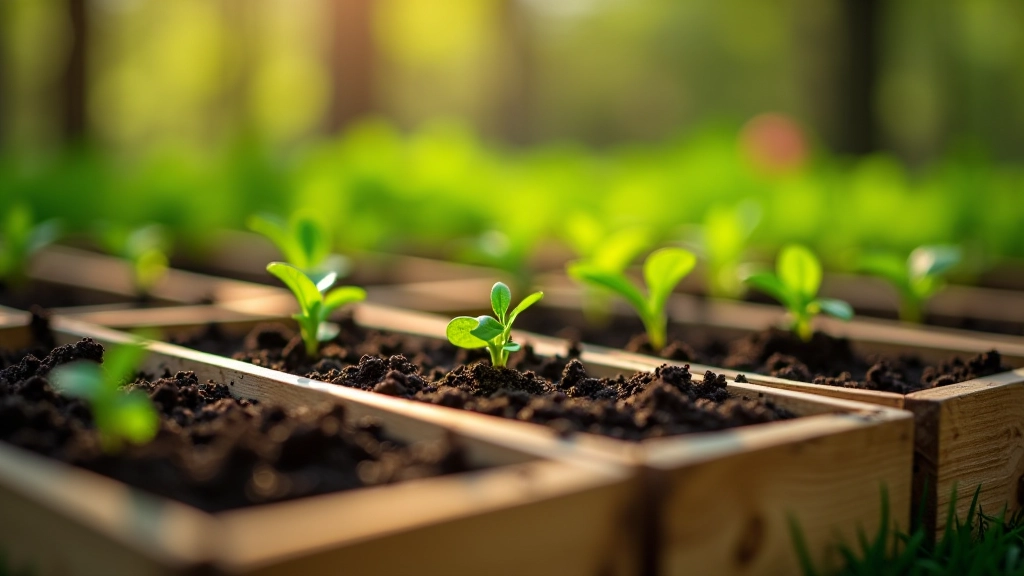
We recommend 2x8 inch untreated wood for your frame — that gives you 16 inches of depth, which is plenty for most vegetables. You'll want it at least 12 inches deep to give roots room to grow. Some gardeners go deeper for root crops like carrots and parsnips.
Use untreated wood, not pressure-treated. Pressure-treated lumber has chemicals you don't want leaching into your soil. Cedar or composite materials work too but cost more. Plain spruce or pine is fine and affordable.
For dimensions, 4x8 feet is standard and manageable. You can reach the middle from either side without stepping in the bed. Build it longer and narrower rather than wide and short — it'll be easier to tend.
Assembly's straightforward. Lay out your boards, drill corner holes, use exterior screws (not nails — they'll pop out). No fancy joinery needed. You're looking at maybe 30 minutes with basic tools.
What You'll Need
Wood & Hardware
- 8 pieces of 2x8 untreated wood (for 4x8 bed)
- 20-24 exterior grade screws (3 inch)
- Drill with bit set
- Level
Soil Mix
- Quality topsoil (30-40%)
- Compost or aged manure (40-50%)
- Peat moss or coco coir (10-20%)
- Small amount of sand (optional)
Optional Upgrades
- Landscape fabric (prevents weeds)
- Trellis or support frame
- Soaker hose for irrigation
- Dark mulch for heat retention
Filling & Preparing Your Bed
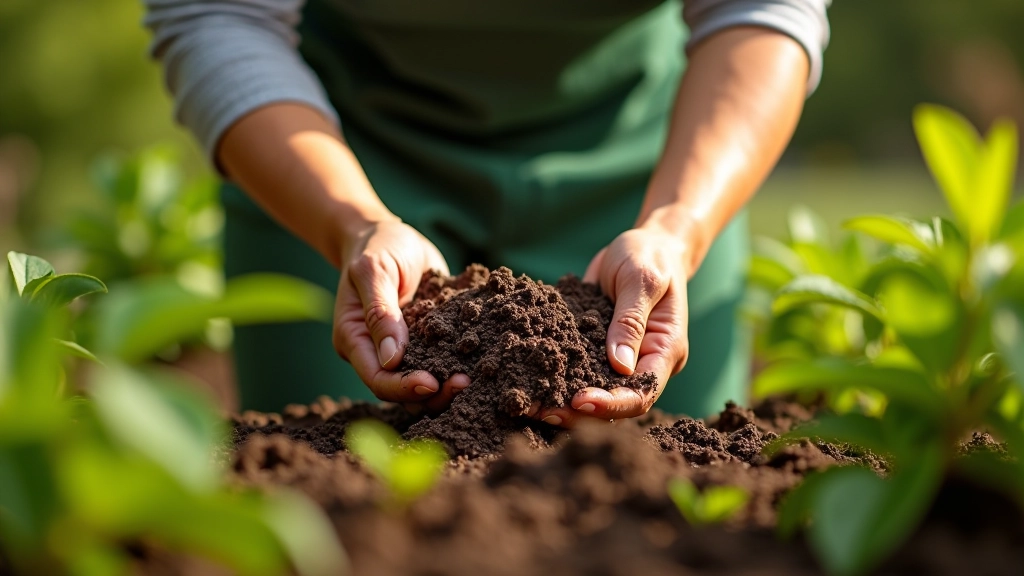
Don't just dump in any soil. The soil you use makes or breaks your whole season. A good mix drains well but holds moisture, gives roots space to grow, and has nutrients your plants actually need.
Start with a base layer of landscape fabric if you're worried about weeds. Then build your soil in layers. You're aiming for about a 60-40 mix of soil to compost. If you can't find good compost locally, aged manure works. Fresh manure will burn your plants, so don't use that.
Fill to within about 2 inches of the top — it'll settle. Water it well the first time. You'll see it compress. That's normal. Add more soil mix if needed after a week or two.
For that first season, you might notice the bed drains a bit fast. That's okay. By year two, organic matter will have broken down and your soil structure improves. Your bed actually gets better every year.
Timing & Your Short Season
Here's where raised beds actually change the game for us. The soil warms up 2-3 weeks earlier in spring than ground-level gardens. In Latvia, that means you can plant cool-season crops like lettuce, peas, and spinach around mid-April instead of early May. Warm-season stuff like tomatoes and peppers? Plant them after May 20th when frost risk drops.
The same advantage works in reverse. Your soil stays warm longer into autumn. That means you'll get harvests into September and even October for hardy greens. Ground-level gardens? They're done by late August.
Quick tip: Add a dark mulch layer on top of the soil. Black plastic or dark wood chips absorb more heat. This simple step adds another week or two of growing time, especially important for tomatoes trying to ripen before October.
Plan your planting schedule around frost dates. Rīga's average last frost is around May 20th. Work backwards from there. Don't overthink it — nature's pretty forgiving.
Keeping It Going
Year one, you're mostly just watering and pulling weeds. That's it. Your soil is fresh and has decent nutrients from the compost you added.
By year two, add compost on top before planting. You don't need to replace everything — just refresh the top 2-3 inches. This keeps your soil structure healthy and nutrient levels up.
Watch for weeds, especially early season. They'll grow like crazy with all that nice soil. Pull them young before they spread roots. A good mulch layer helps here too.
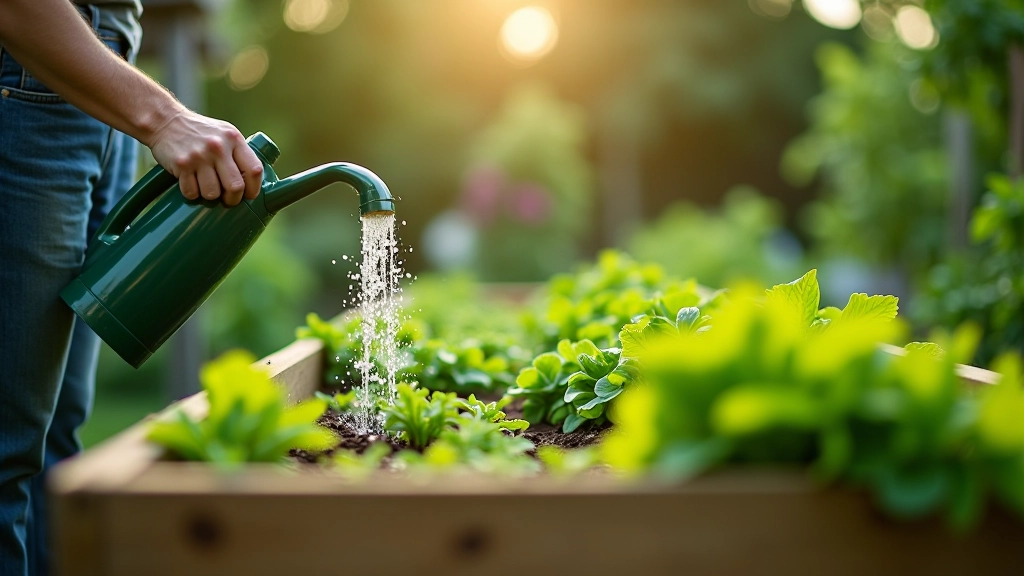
Watering's probably your biggest task. Raised beds dry out faster than ground beds. You're looking at watering every 2-3 days in summer unless you get heavy rain. A soaker hose or drip system saves time and water. You'll appreciate it by July.
Ready to Start?
Building a raised bed takes a day. The payoff? An extra month or more of growing season. In Latvia's climate, that's huge. You'll grow things you thought you couldn't, and you'll grow them better.
Start with one bed. Seriously. Build it, fill it, plant something simple like lettuce or herbs. See how it goes. Most people end up building more because they realize how much easier it is to manage plants at a comfortable height, and how much earlier everything grows.
Don't wait for perfect conditions. Build it this spring and start small. Your first season won't be perfect — nobody's is. But you'll learn what works, and by year two you'll wonder why you didn't do this sooner.
Disclaimer: This guide is for educational purposes and reflects general gardening practices suitable for Baltic climates. Growing conditions vary by location and specific microclimate. Consult local agricultural extension services or experienced gardeners in your area for recommendations tailored to your exact location and soil conditions. Wood treatment, materials, and construction methods should comply with local regulations and best practices.