
Why Perennials Matter in the Baltic
Here's the thing — annual flowers look nice for a season, then you're buying replacements every spring. Perennials? They're different. They come back stronger each year, which means less work and more reliable color in your garden. In Latvia's climate, that's huge. We don't have the luxury of a long growing season, so planting flowers that survive winters without coddling makes genuine sense.
Most gardeners we talk to spend the first few years experimenting, killing plants, learning what works. But it doesn't have to be that way. There are perennials that thrive in Baltic conditions—cold-hardy species that'll bounce back after our harsh winters. We're talking about plants that don't just survive, they flourish. After 4-5 years, you'll have established clumps that spread naturally and fill in gaps without much effort.
The financial side matters too. Buying perennials costs more upfront than annuals, but you're making a one-time investment. Plant them once, get 10-15 years of blooms. Compare that to buying new annuals annually—the math is simple.
Top Hardy Perennials for Baltic Climate
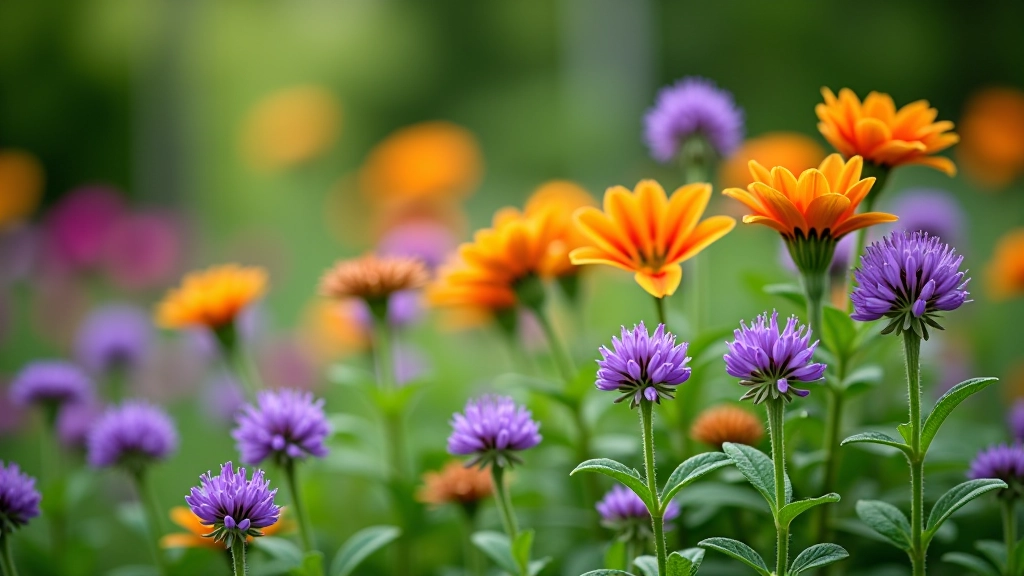
Daylilies are borderline foolproof. They're not fussy about soil, don't need constant watering once established, and they'll spread steadily. Blooms typically arrive mid-summer, lasting about 6-8 weeks depending on variety. You get yellows, oranges, deep reds—real color that stands out.
Catmint (Nepeta) is another reliable option. It's actually tougher than it looks. Plant it in spring or early autumn, give it sun, and it'll bloom from June through September. The silvery-blue flowers attract pollinators without you needing to do anything special. Drought-tolerant too, which matters during dry summers.
Then there's Siberian iris. We're talking about a plant that evolved to handle cold—it's literally in the name. Purple, blue, or white blooms appear in late spring. They're also naturally resistant to pests and disease, which is a genuine advantage over more temperamental varieties.
Planting Timing and Technique
Spring and early autumn are your windows. April through May works well—soil's thawed, nights are still cool enough that new plants aren't stressed. Autumn planting (late August to September) also works, giving roots time to establish before dormancy.
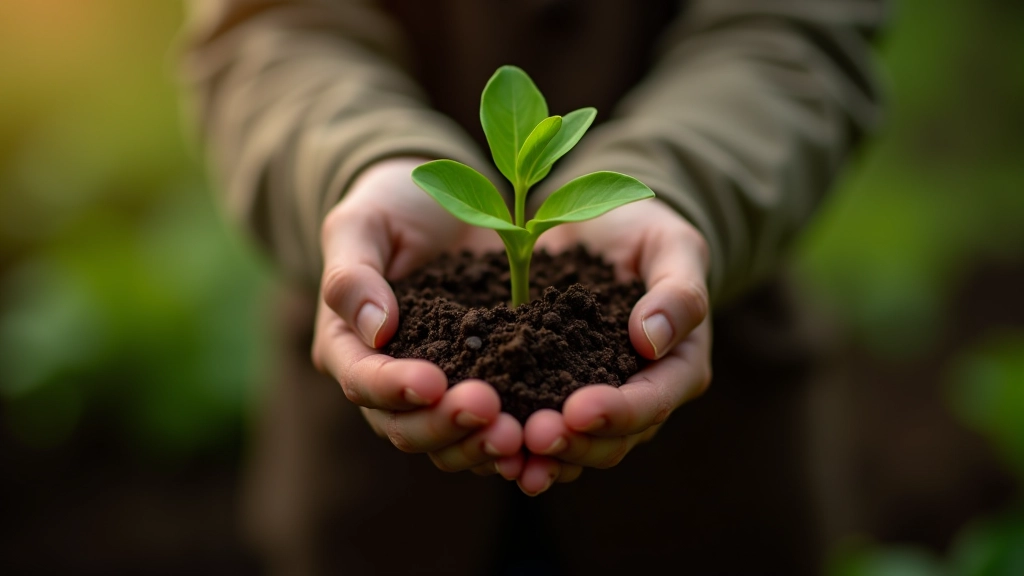
The actual planting is straightforward. Dig a hole roughly twice the width of the root ball. Amend your soil with compost if it's heavy clay (which it is in most of Latvia). Set the plant so the crown sits at soil level—don't bury it. Backfill, water thoroughly, then mulch with 5cm of wood chips. That's it.
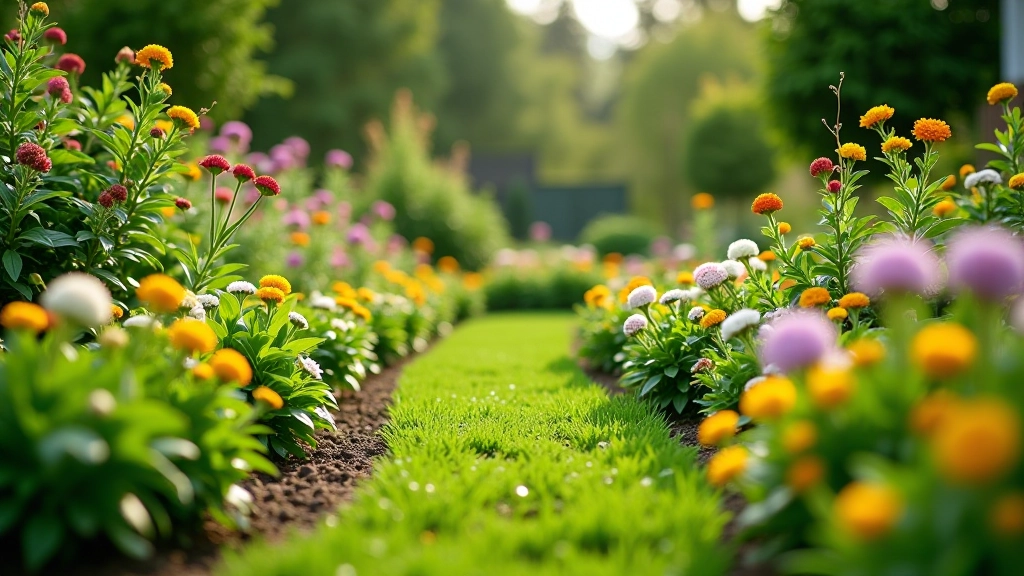
Spacing matters more than people think. A small plant might need only 30cm between neighbors now, but in 3-4 years it'll need 60cm. Check the mature size before planting. Crowding leads to poor air circulation and disease.
Year-Round Maintenance (It's Less Than You'd Think)
Spring cleaning involves deadheading (removing spent blooms) to encourage more flowers. You'll do this every week or two during peak blooming season. Takes maybe 15 minutes per visit. Some gardeners also cut back herbaceous perennials in early spring, removing last year's dead stems. Honestly? You can skip this step and the plants'll still thrive—it's purely aesthetic.
Watering is critical first year only. After establishment, most perennials handle themselves unless you're experiencing actual drought. Deep watering once weekly beats daily shallow watering every time. It encourages roots to grow deeper.
Autumn means division time. Every 3-5 years, dig up established clumps and split them into smaller pieces. Replant immediately and you've got free plants plus rejuvenated mother plants. It's genuinely free propagation.
Beyond the Basics: Layering Blooms
The real trick is succession planting. Choose varieties that bloom at different times. Spring brings Siberian iris and early peonies. Early summer means catmint. Mid-summer is daylily season. Autumn coneflowers (Echinacea) extend color into October. You're not trying for constant bloom—just thoughtful transitions that keep something flowering from May through frost.
Foliage matters too. Don't just think about flowers. Perennials with interesting leaf textures—hostas, ferns, coral bells—add visual interest even when nothing's blooming. A combination of bloomers and foliage plants creates actual garden depth.
Common Mistakes to Avoid
Planting too densely is the biggest one. We get it—small plants look sparse. But resist the urge to cram everything. You'll be fighting powdery mildew and root competition within two years. Trust the spacing guidelines. That empty space fills up faster than you'd expect.
Inconsistent watering in year one stresses new plants. They need consistent moisture until roots establish—usually by late autumn. After that, you're largely set unless conditions are genuinely extreme.
Choosing sun-lovers for shade and shade-plants for full sun wastes time and money. Know your site conditions. Run a quick audit—how many hours of direct sun does each area get? Most perennials need minimum 6 hours. Some shade varieties need 4 hours max. This single decision determines success or failure.
Starting Your Perennial Garden
You don't need fancy techniques or rare plants. Start with cold-hardy species proven in Baltic conditions. Plant in spring or early autumn. Space appropriately. Water consistently that first year. Then step back and let them work. In three years, you'll have an established garden that requires minimal intervention—just occasional deadheading and division.
That's the whole story. Perennials aren't complicated. They're just reliable plants making a genuine difference in your garden with far less effort than annuals ever could.
Ready to Explore More?
Discover practical gardening strategies for your Baltic climate.
Explore Gardening ResourcesInformational Note
This article provides educational information about growing perennial flowers in Baltic climates. Results depend on individual site conditions, soil quality, weather patterns, and care practices. Plant hardiness zones, watering needs, and bloom times may vary. For site-specific advice about your particular garden conditions, consult with local gardening professionals or your regional agricultural extension office.