
Container gardening isn't some fancy hobby for people with sprawling estates. It's actually the easiest way to start growing your own food if you live in an apartment, have a tiny patio, or just don't want to spend weekends digging up a big plot. We're talking tomatoes on a balcony. Herbs on a windowsill. Lettuce in a plastic pot.
The beauty of containers is that you control everything — the soil, the drainage, the sunlight. No fighting with clay soil. No weeds taking over. You can literally grow vegetables in 15 square meters if you stack things right.
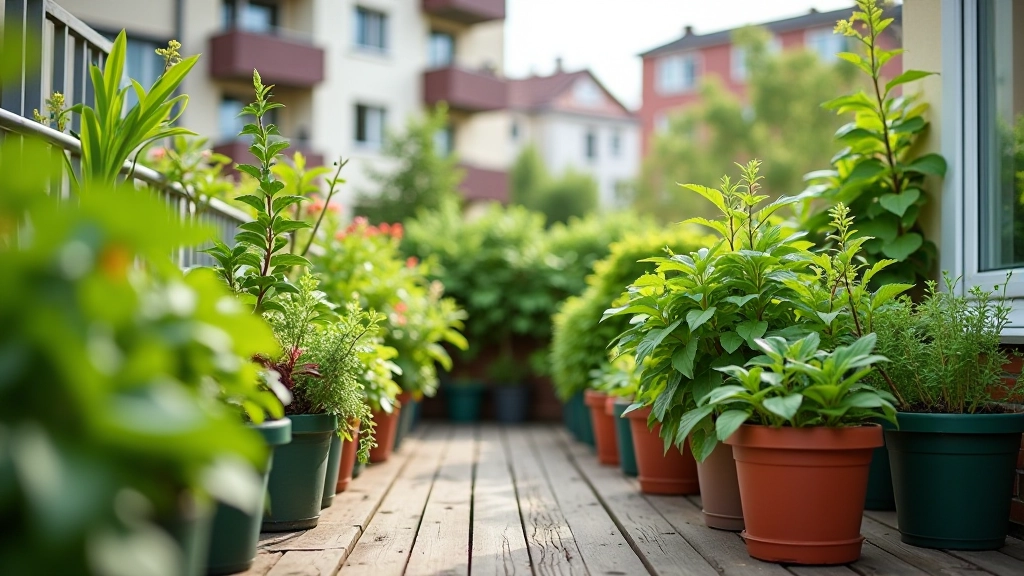
Picking the Right Containers
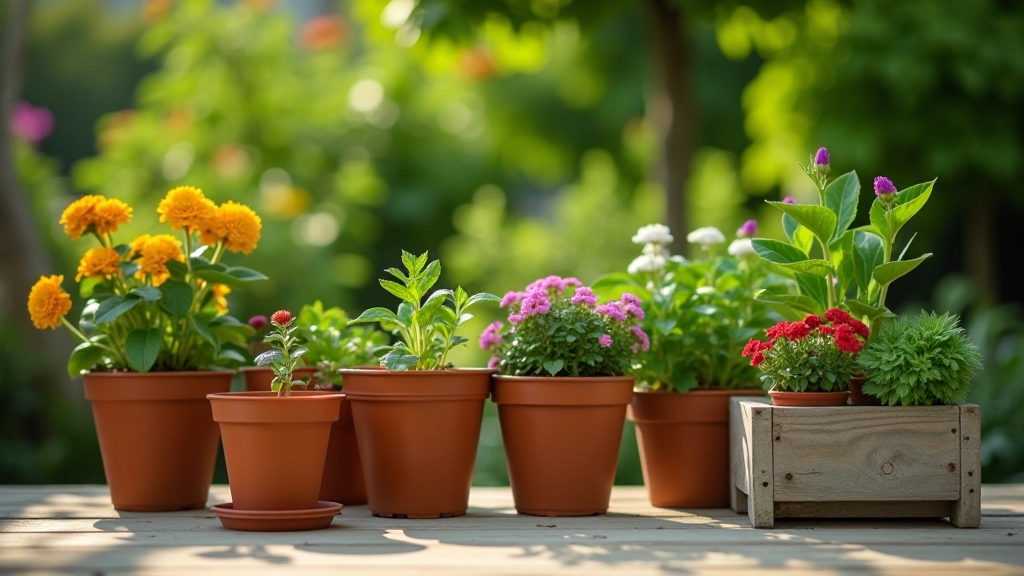
The container is basically your garden bed. Size matters — and no, you can't grow a tomato plant in a coffee mug. A typical tomato plant needs about 18-20 liters minimum. Lettuce and herbs? You'll get away with 5-10 liters. Think of it this way: the bigger the container, the less you'll need to water.
What kind of container works? Honestly, almost anything that has drainage holes. Clay pots look nice. Plastic buckets are cheap and lightweight. Fabric grow bags dry out faster but work great for potatoes. Even old wooden crates work if you line them with landscape fabric first.
Drainage is non-negotiable. Waterlogged roots kill plants faster than anything else. If your container doesn't have holes in the bottom, drill some. That's it. You've just made a perfect gardening container.
Soil Is Everything
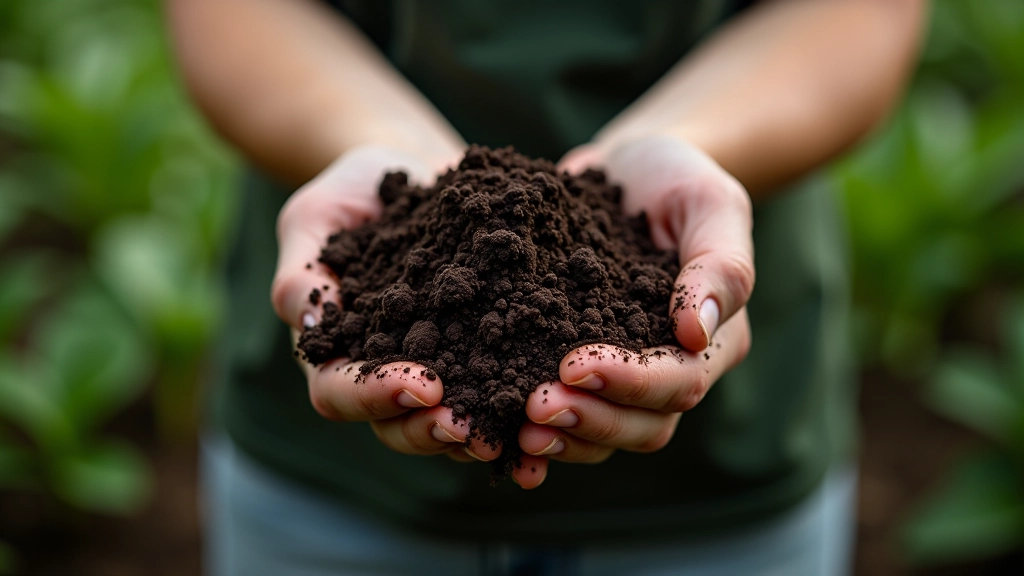
Don't use garden soil. Seriously. It'll compact, drain poorly, and bring in weeds. Get proper potting mix — the kind from a garden center that's specifically made for containers. It's lighter, drains better, and already has some nutrients mixed in.
For vegetables, you want something that holds moisture but still drains. A good ratio is something like 60% potting soil, 20% compost, and 20% perlite or coconut coir. Or honestly? Just buy a quality potting mix and add a handful of compost. You don't need to overthink this.
One thing — don't skimp on soil. Cheap soil compacts, holds too much water, and your plants suffer. You're already saving money by not building raised beds. Spend the few extra euros on good potting mix.
What Actually Grows in Containers
Tomatoes, peppers, lettuce, spinach, herbs, radishes, peas, beans — they all do great in containers. Root vegetables like carrots and beets work too, just give them deeper pots. The key is matching the plant to the pot size.
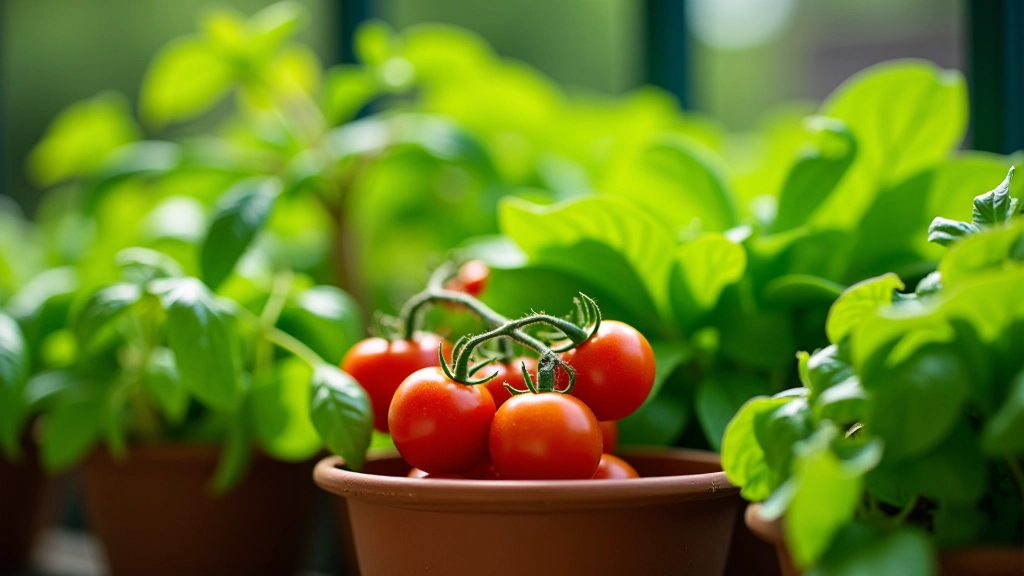
Tomatoes need the most space and water. A single determinate tomato plant (the bushy kind) needs about 20 liters. Cherry tomatoes are smaller and happier in 12-15 liters. Herbs like basil and parsley? They're practically indestructible in small pots.
Spacing matters. Don't cram five tomato plants into a space meant for one. Crowded plants get disease, poor airflow, and weak growth. When in doubt, go with fewer plants and bigger containers. You'll get better results.
Watering and Feeding
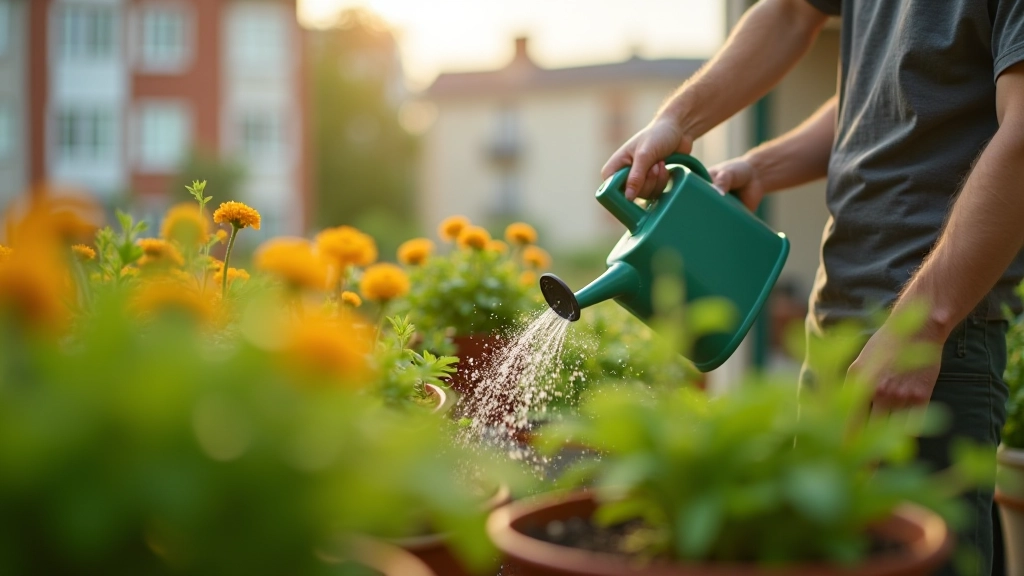
Containers dry out faster than ground soil. In summer, you might water daily. That sounds annoying but it's actually just 5 minutes with a hose or watering can. Stick your finger in the soil — if the top 2 centimeters are dry, water it. Don't water on a schedule. Water when the plant needs it.
Feeding is simple. Container plants use up nutrients faster because they're confined. Every 2-3 weeks during the growing season, give them some fertilizer. Doesn't have to be fancy. A balanced liquid fertilizer works. Or compost tea. Or even fish emulsion if you can handle the smell.
Early morning watering is best — less water evaporates and plants have time to absorb it during the day. Evening watering works too, but avoid wetting the leaves right before nightfall, which encourages fungal issues.
Space-Saving Tricks That Actually Work
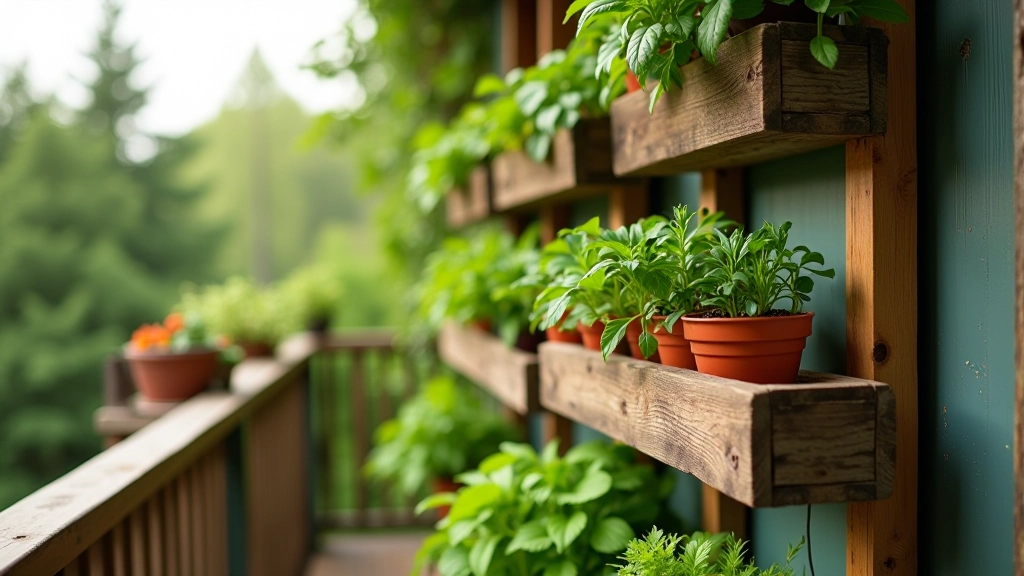
Vertical growing is your best friend in tight spaces. Trellises for peas and beans. Wall-mounted shelves for herb pots. Hanging baskets for trailing herbs. You can turn a tiny balcony into a productive garden by going up instead of out.
Succession planting saves space too. Grow lettuce in spring, pull it out in June, replant with basil for summer. Same container, multiple harvests. Or use the same pot for spring peas, then summer beans — they both fix nitrogen, so you're actually improving the soil between plantings.
Container stacking is another option. Stack smaller pots inside a larger one, or use tiered shelving. You're essentially creating a vertical garden in a 1-square-meter footprint. Three shelves with 6 pots each? That's 18 containers of vegetables or herbs in barely any space.
Getting Started This Week
You don't need a perfect setup. You need containers with drainage, good potting soil, and plants. Start with 3-4 containers if you're new to this. Pick something you'll actually eat — tomatoes, lettuce, basil. Watch what happens. You'll learn faster by doing than by reading about it.
Container gardening isn't complicated. It's actually the simplest way to start growing food. No soil preparation. No tilling. No weeds to pull. Just fill a pot with soil, plant something, water it, and eat what you grow. That's it.
By mid-summer, you'll be harvesting tomatoes and herbs. By next spring, you'll be planning which vegetables to grow and how to squeeze even more into your space. Container gardening hooks you fast because you see results quickly.
Disclaimer
This article is informational and educational in nature. Growing conditions vary by location, climate, and individual circumstances. Container gardening success depends on many factors including local weather patterns, water quality, and plant selection. Results may vary. For specific advice about your local climate or growing conditions, consult local gardening resources or experienced gardeners in your area. The techniques described here represent general best practices but should be adapted to your specific situation and environment.